Committed to creating a safe and energy-saving new type of glass


Zhejiang Jingtai Glass Technology Co., Ltd.: Deeply rooted in the architectural glass sector, driving industry development through quality and innovation.
Oct 14,2026
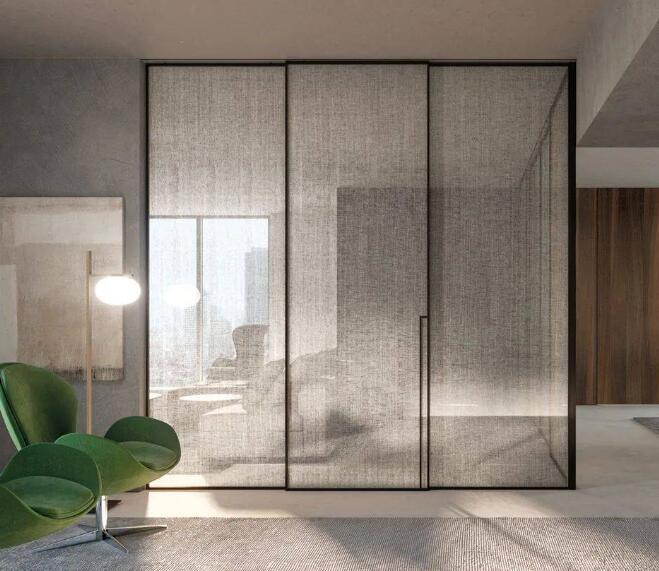
Focusing on Architectural Glass Applications: Continuously Enhancing Product Quality and Service Capabilities
As the construction industry evolves toward sustainability, energy efficiency, safety, and high quality, glass—a vital component of modern architecture—is expanding its value beyond traditional roles like natural lighting and decoration. Its applications now encompass safety and protection, thermal insulation and energy conservation, fire-resistant partitioning, and architectural aesthetics. In response to shifting market demands, Zhejiang Jingtai Glass Technology Co., Ltd. closely monitors industry trends and continuously innovates in product quality, application requirements, and customer service. The company is dedicated to providing suitable glass products and solutions for construction projects, doors, windows, curtain walls, and related fields.
Addressing Industry Needs: Continuously Expanding Architectural Glass Applications
Architectural glass is widely used in commercial complexes, office buildings, residential properties, public facilities, hotels, and various industrial structures. Different architectural settings impose distinct requirements regarding safety performance, light transmission, thermal insulation, visual quality, and processing precision. Balancing safety, energy efficiency, and aesthetics while meeting architectural design needs has become a key focus for the industry.
Grounded in the development needs of the architectural glass sector, Zhejiang Jingtai Glass Technology Co., Ltd. pays close attention to product characteristics and customer requirements across various application scenarios, continually expanding the scope of its glass product applications. The company’s portfolio includes tempered glass, laminated glass, bullet-resistant glass, fire-resistant glass, frosted glass, and Low-E insulating glass, offering tailored product choices for diverse construction projects and use cases.
Tempered glass, prized for its high mechanical strength and excellent thermal stability, is widely used in architectural doors and windows, interior partitions, and various glass installations. Laminated glass, which combines glass with an interlayer, offers significant value in safety and protection. Fire-resistant glass is primarily used for fire-separation applications that meet specific design standards. Low-E insulating glass helps improve the thermal performance of building envelopes, meeting energy-efficiency requirements. Additionally, frosted glass balances light transmission with visual privacy, while bullet-resistant glass is suitable for specific locations requiring high levels of protection.
Each product possesses unique performance characteristics and a specific scope of application. By continuously expanding its product portfolio, the company is better positioned to meet diverse market demands regarding architectural safety, energy efficiency, environmental sustainability, spatial design, and functional glass.
**Prioritizing Quality and Focusing on Processing and Delivery Management**
Product quality serves as a crucial foundation for the long-term development of glass enterprises. In the realm of architectural glass, every stage—from the selection of raw glass sheets and processing to dimensional control and visual inspection—can impact the final product's performance. This is particularly true for construction projects, where product specifications, processing precision, performance requirements, and delivery schedules are often interconnected, necessitating close communication between the supplier and the client.
Zhejiang Jingtai Glass Technology Co., Ltd. places great importance on aligning product quality with customer needs, engaging in detailed discussions and requirement verification regarding factors such as glass type, dimensions, thickness, processing methods, and the intended operating environment. During project collaboration, clearly defining technical requirements, verifying order details, and paying close attention to processing specifics help minimize communication errors and ensure a precise match between the product and its actual application.
For glass products with specialized performance requirements, product selection and quality verification are paramount. For instance, fire-resistant glass must be selected based on specific fire-resistance ratings and applicable standards; bullet-resistant glass requires configuration decisions that account for protection levels, installation structures, and the actual environment; and low-emissivity (Low-E) insulating glass requires a comprehensive assessment of glass configuration, thermal performance, and specific building requirements. Prioritizing the alignment of product performance with real-world application conditions provides clients with a clearer basis for project design, procurement, and installation.
In an industry where competition increasingly hinges on comprehensive capabilities, enterprises must look beyond the product itself to focus on order communication, processing coordination, packaging and logistics, and after-sales service. Continuously refining these operational workflows is essential for enhancing the customer experience and driving steady business growth.
**Keeping Pace with Green Building Trends: A Focus on Energy Efficiency and Safety**
As the concept of green building gains momentum, the energy-efficiency performance of building envelopes is attracting increasing attention. Glass doors, windows, and curtain walls are integral components of the building envelope; their thermal performance, light transmission, and shading capabilities significantly influence the indoor environment and energy consumption. Through optimized glass configurations and insulating unit designs, low-emissivity (Low-E) insulating glass meets natural lighting needs while enhancing the thermal insulation performance of a building's exterior envelope. As climatic conditions, building functions, and energy-efficiency standards vary across regions, the market has developed increasingly specific requirements for energy-efficient architectural glass products.
Simultaneously, there is growing emphasis on fire compartmentalization, safety protection, and the operational safety of glass in public buildings, commercial spaces, and specialized facilities. Products such as tempered glass, laminated glass, and fire-resistant glass play vital roles in their respective safety-critical applications.
Zhejiang Jingtai Glass Technology Co., Ltd. remains committed to monitoring technological advancements and market trends in architectural glass. Focusing on areas such as energy efficiency, safety, functional integration, and architectural design, the company actively seeks to understand customer needs and align product applications with project requirements, thereby contributing to the high-quality development of the architectural glass industry.
**Prioritizing Customer Needs to Enhance Project Collaboration and Service Quality**
When procuring architectural glass, customers focus on more than just price; they also consider product performance, specification compatibility, processing quality, lead times, logistics reliability, and the efficiency of ongoing communication. For construction projects in particular, glass products often require coordination based on design blueprints, installation conditions, and on-site schedules; thus, clear requirement definition and efficient communication are essential.
Zhejiang Jingtai Glass Technology Co., Ltd. treats customer communication and project alignment as integral components of its business partnerships, tailoring its approach to the specific needs of each client. During the consultation phase, customers can discuss details such as the project's purpose, application location, glass dimensions, thickness requirements, performance specifications, and order quantities to identify the most suitable product solutions.
For construction contractors, window and curtain wall companies, glass distributors, building material purchasers, and overseas clients, clear and consistent communication regarding products improves procurement efficiency and minimizes information discrepancies during order fulfillment. Establishing long-term, mutually trusting relationships between the company and its clients also facilitates the continuous alignment of product demand with supply capabilities.
As the building materials market evolves, customer expectations regarding a supplier's comprehensive service capabilities are also steadily rising. Moving forward, the company will continue to optimize business communication around customer needs, focusing on product quality, delivery coordination, and service experience, while striving to build more stable and efficient partnerships.
**Seizing Industry Opportunities in Domestic and International Markets**
As the construction material supply chain evolves, market demand for architectural glass is becoming increasingly diverse. Differences in architectural styles, climatic conditions, energy-saving requirements, safety standards, and project procurement models across countries and regions present new opportunities for architectural glass enterprises to expand markets, diversify product applications, and enhance service capabilities.
In response to market dynamics, Zhejiang Jingtai Glass Technology Co., Ltd. will continue to monitor demand trends in both domestic and international markets. We will actively understand the procurement characteristics and product requirements of various customer groups, exploring product supply and cooperation models tailored to specific application scenarios.
In international operations, key areas of focus include confirming product specifications, performance documentation, applicable standards, packaging, transportation, and delivery arrangements. For export projects, clarifying regulatory requirements, product certification needs, and technical parameters in the destination market beforehand helps improve communication efficiency and ensures smoother, more standardized business cooperation.
Looking ahead, the company will continue to track industry trends and actively explore market cooperation opportunities. By continuously enhancing our product application capabilities and customer service standards—and maintaining a pragmatic business philosophy and a commitment to continuous improvement—we strive to expand our horizons for future growth.
**Upholding a Long-Term Development Philosophy and Creating Value with Partners**
The development of the architectural glass industry relies on the combined drivers of technological progress, quality management, market demand, and supply chain synergy. As architectural design concepts evolve and market demands for safety, energy efficiency, and functional materials rise, architectural glass enterprises must stay attuned to changing application needs and continuously refine their product and service capabilities.
For Zhejiang Jingtai Glass Technology Co., Ltd., staying informed about market demand, prioritizing product quality, strengthening customer communication, and monitoring technological advancements are crucial to the company's steady growth. By deepening our understanding of product applications, enhancing project collaboration capabilities, and maintaining strong communication with partners across the supply chain, we will actively adapt to the evolving architectural glass market. Looking to the future, Zhejiang Jingtai Glass Technology Co., Ltd. remains committed to the architectural glass sector. We will focus on industry innovation and market opportunities, prioritize customer needs and product quality, continuously enhance our comprehensive service capabilities, and actively participate in the collaborative development of the architectural glass industry.
We look forward to forging closer ties with construction firms, manufacturers of doors, windows, and curtain walls, building material distributors, and procurement partners—both domestic and international. By fostering mutually beneficial partnerships, we aim to explore new applications for architectural glass in modern architecture and provide robust support for enhancing the safety, energy efficiency, and overall quality of built environments.
Related Posts
Contact Us
E-mail: admin@jingtaibl.com
TEL: +86 18969476297
Address: No.56, No.2 Donggang Road, Quzhou, Zhejiang Province
Online Message
Do you have any intention of cooperation? You can leave your contact information, and we will be happy to serve you.

TEL: +86 18969476297 /+86 18857046319

WhatsApp: +8613567039379


No.56, No.2 Donggang Road, Quzhou, Zhejiang Province

Online Message