Committed to creating a safe and energy-saving new type of glass


Continuous Innovation in Architectural Glass Technology: Zhejiang Jingtai Glass Technology Co., Ltd. Drives Upgrades in Building Quality
Nov 13,2026
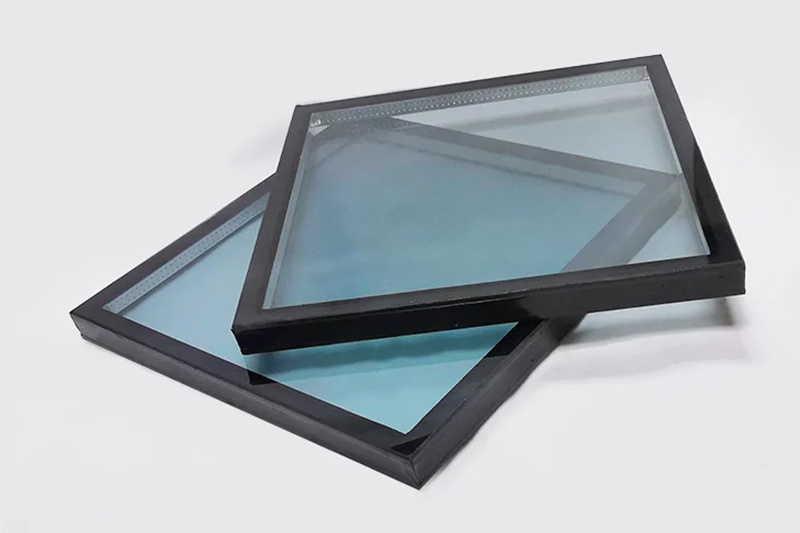
As the construction industry shifts toward sustainability, intelligence, and higher quality, building materials are encountering new opportunities for advancement. Glass—an indispensable element in modern architecture—has evolved far beyond its traditional roles of admitting light and providing decoration. It now increasingly serves functions such as safety and protection, energy conservation, noise reduction, and various other specialized applications.
From glass curtain walls on high-rise buildings and partitions in commercial spaces to energy-efficient windows and doors in residential projects, diverse glass products are unlocking a wealth of new possibilities for architectural design. Keeping pace with evolving market demands, Zhejiang Jingtai Glass Technology Co., Ltd. closely monitors industry trends, focusing on product quality, advanced processing techniques, and specific application requirements to offer a wide array of glass solutions to its clients.
I. Expanding Applications for Architectural Glass
In recent years, modern architectural design has placed a growing emphasis on spatial transparency, natural daylighting, and overall aesthetic appeal. Thanks to its excellent light transmission and versatility in processing, glass has become widely utilized across a broad spectrum of construction projects.
In commercial architecture, glass curtain walls enhance the modern appearance of buildings while meeting daylighting needs. In residential settings, products such as insulated glass units (IGUs), laminated glass, and tempered glass are tailored to specific functional requirements. For public buildings and specialized facilities, fire-resistant and protective glass provide essential options for enhancing building safety.
As the scope of application continues to broaden, the market has set increasingly precise requirements for the performance, specifications, and processing accuracy of glass products—a trend that has driven the architectural glass industry to continuously refine and expand its product offerings.
II. Functional Glass: A Key Direction for Industry Development
Against the backdrop of rising demands for energy efficiency and safety in buildings, functional glass has emerged as a primary focus for the industry.
Low-emissivity (Low-E) glass utilizes a specialized coating to improve thermal radiation performance. Frequently used in energy-efficient windows, doors, and insulated glass systems, it plays a vital role in enhancing the energy-saving capabilities of a building’s envelope.
Laminated glass consists of layers of glass bonded with an interlayer. In the event of breakage, this structure helps hold the fragments together, making it an ideal choice for building components where safety is a critical requirement. Tempered glass, strengthened through a heat-treatment process, is widely used in doors, windows, partitions, and various other architectural and decorative applications.
Fire-resistant glass, categorized by its specific structure and fire-rating level, is utilized for fire-rated compartmentalization within buildings, serving as a critical material for fire safety design.
Furthermore, frosted glass, bulletproof glass, and other composite glass products each play distinct roles across various architectural and specialized applications.
III. Precision Processing Drives Enhanced Product Quality
The quality of architectural glass is determined not only by the raw materials used but also by every stage of the manufacturing and processing workflow.
From the selection of raw glass sheets and precise cutting to edge grinding, tempering, lamination, and other deep-processing techniques, each step must be carefully controlled based on the specific product type and its intended application.
For architectural glass projects, details such as dimensions, thickness, edge finishing, hole placement, and structural composition are of paramount importance. A thorough understanding of the client’s technical requirements—combined with rigorous specification verification prior to production—ensures that the final product aligns perfectly with project needs.
Zhejiang Jingtai Glass Technology Co., Ltd. focuses on the processing requirements and practical application scenarios of architectural glass. By prioritizing product details and quality management, the company is committed to delivering glass solutions that precisely meet the requirements of each project.
IV. Customer-Centric Approach to Comprehensive Service
As procurement needs for architectural glass become increasingly diverse, clients now look beyond price when selecting a supplier; they place greater emphasis on product performance, processing capabilities, delivery schedules, and communication efficiency.
Particularly for overseas construction projects and bulk orders, clear product specifications, accurate technical parameters, and timely communication are essential for minimizing uncertainty throughout the procurement process.
Zhejiang Jingtai Glass Technology Co., Ltd. prioritizes the alignment between client needs and product applications. By actively engaging with clients to understand their specific procurement requirements, the company provides detailed product information, facilitates technical discussions, and offers comprehensive support to help clients select the most suitable glass products for their specific projects.
V. Committed to Quality-Driven Growth and Exploring New Industry Possibilities
The architectural glass industry is currently evolving alongside product upgrades and shifting market demands. The growing adoption of green building principles, the tightening of building safety standards, and the diversification of international market demand are creating new opportunities for growth within the glass sector. In light of industry development opportunities, Zhejiang Jingtai Glass Technology Co., Ltd. will continue to deepen its focus on the architectural glass sector. The company remains committed to monitoring product technology and market application trends, refining its product portfolio, prioritizing processing quality and customer service, and actively expanding domestic and international cooperation channels.
Looking ahead, the company will continue to be guided by market demand and anchored in product quality. By consistently enhancing its comprehensive service capabilities, it aims to provide the construction industry with a broader range of glass products—working hand-in-hand with clients and industry partners to create architectural spaces that are safer, more energy-efficient, and aesthetically pleasing.
Related Posts
Contact Us
E-mail: admin@jingtaibl.com
TEL: +86 18969476297
Address: No.56, No.2 Donggang Road, Quzhou, Zhejiang Province
Online Message
Do you have any intention of cooperation? You can leave your contact information, and we will be happy to serve you.

TEL: +86 18969476297 /+86 18857046319

WhatsApp: +8613567039379


No.56, No.2 Donggang Road, Quzhou, Zhejiang Province

Online Message