Committed to creating a safe and energy-saving new type of glass


Green Building Concepts Drive Upgrades in the Glass Industry: Zhejiang Jingtai Glass Technology Co., Ltd. Focuses on Emerging Trends in Energy-Efficient Glass
Nov 14,2026
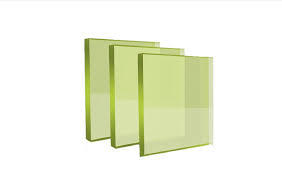
As the concept of "green building" gains global traction, the construction industry is placing an increasing emphasis on energy-efficient and eco-friendly materials. A key challenge in modern architectural design and material application is how to reduce energy consumption and improve indoor environments while maintaining both structural safety and aesthetic appeal.
As a vital component of a building’s exterior envelope, glass directly influences natural lighting, thermal insulation, heat retention, and the overall user experience. The industry has evolved from basic, conventional glass to low-emissivity (Low-E) glass, insulated glass units (IGUs), and multifunctional composite glass—all trending toward higher performance, greater versatility, and enhanced environmental sustainability.
Zhejiang Jingtai Glass Technology Co., Ltd. closely monitors market shifts and technological advancements within the architectural glass sector, offering a diverse range of glass products tailored to various building applications.
I. Green Building Development Fuels Demand for Energy-Efficient Glass
In recent years, energy efficiency has become a primary focus for the construction industry. Buildings consume significant amounts of energy during their operational lifespan, and heat exchange through the exterior envelope—including windows, doors, and glass curtain walls—is a major factor influencing this energy consumption.
While conventional glass meets basic daylighting needs, it often falls short in terms of thermal insulation and heat retention. As building energy-efficiency standards become more rigorous, the market now demands glass products with superior thermal insulation and optical control capabilities.
Against this backdrop, energy-efficient solutions such as Low-E glass and insulated glass units have garnered increasing attention, finding widespread application in residential, commercial, office, and public buildings.
II. Low-E Glass: A Key Contributor to Building Energy Efficiency
Low-emissivity (Low-E) glass is a cornerstone of modern energy-efficient architecture. By applying a specialized functional coating to the glass surface, it effectively reduces the transmission of far-infrared thermal radiation while maintaining a desired level of visible light transmission.
In building fenestration and curtain wall systems, Low-E glass is typically integrated into insulated glass units (IGUs) to enhance the thermal insulation and heat-retention performance of the glazing system.
Depending on regional climatic conditions, building orientation, and specific design requirements, a variety of Low-E glass products with tailored performance parameters can be selected. Appropriate product configuration helps improve energy efficiency in buildings and enhances indoor comfort.
III. Insulating Glass Enhances the Performance of Building Envelopes
Insulating glass consists of two or more panes of glass separated by a spacer system that creates a sealed cavity, typically filled with air or an inert gas.
Compared to single-pane glass, insulating glass offers superior thermal insulation and is widely used in building windows, doors, and glass curtain walls. When combined with Low-E (low-emissivity) glass, the thermal performance of the glazing system can be further improved.
In actual projects, the performance of insulating glass depends not only on the glass panes themselves but also on the spacer bars, sealing materials, cavity thickness, and the overall structural design. Therefore, the selection process must take into account the local climate, the specific operating environment, and the technical requirements of the project.
IV. Multifunctional Glass Meets Diverse Architectural Needs
Modern architecture demands more from glass than just energy efficiency; requirements now extend to safety, sound insulation, fire resistance, and aesthetics.
Tempered glass offers high mechanical strength, making it suitable for building windows, doors, partitions, and other applications where safety is a priority.
Laminated glass, which bonds glass panes together using an interlayer, ensures that fragments remain adhered if the glass breaks; it is commonly used in building curtain walls and skylights.
Fire-resistant glass, depending on its specific structure and fire-rating classification, can be used in designated areas such as fire-rated partitions.
Frosted (obscured) glass balances natural light transmission with privacy, making it a popular choice for interior partitions, office spaces, and commercial decor.
By strategically combining different types of glass, architectural designs can achieve a more comprehensive balance between daylighting, energy efficiency, safety, and aesthetics.
V. Prioritizing Product Quality to Drive Sustainable Industry Development
The effective application of energy-efficient glass requires not only advanced product design but also standardized processing techniques and rigorous quality management. Every stage—from the selection of raw glass sheets to cutting, edge grinding, tempering, and the assembly of insulating units—directly influences the performance and final effectiveness of the product. Zhejiang Jingtai Glass Technology Co., Ltd. places great emphasis on the quality and application requirements of architectural glass products. By consistently monitoring market trends across various glass categories, the company offers a diverse portfolio—including tempered glass, laminated glass, fire-resistant glass, low-emissivity (Low-E) glass, and other architectural glass solutions—to meet the specific needs of its clients.
In response to the growth opportunities within the green building sector, the company remains committed to tracking advancements in energy-efficient building technologies and evolving glass application trends. It actively adapts to the procurement requirements of various clients and projects, while continuously enhancing its product and service capabilities.
Looking ahead, as the philosophy of energy-efficient construction gains further traction, architectural glass will play an increasingly vital role in the development of green, low-carbon, and high-quality built environments. Zhejiang Jingtai Glass Technology Co., Ltd. will continue to focus on the architectural glass sector—grounded in quality and driven by market demand—to explore new development possibilities for the industry alongside its partners.
Related Posts
Contact Us
E-mail: admin@jingtaibl.com
TEL: +86 18969476297
Address: No.56, No.2 Donggang Road, Quzhou, Zhejiang Province
Online Message
Do you have any intention of cooperation? You can leave your contact information, and we will be happy to serve you.

TEL: +86 18969476297 /+86 18857046319

WhatsApp: +8613567039379


No.56, No.2 Donggang Road, Quzhou, Zhejiang Province

Online Message